
- You are here:
-
Home

- Blog

- Details
- Hits: 5105
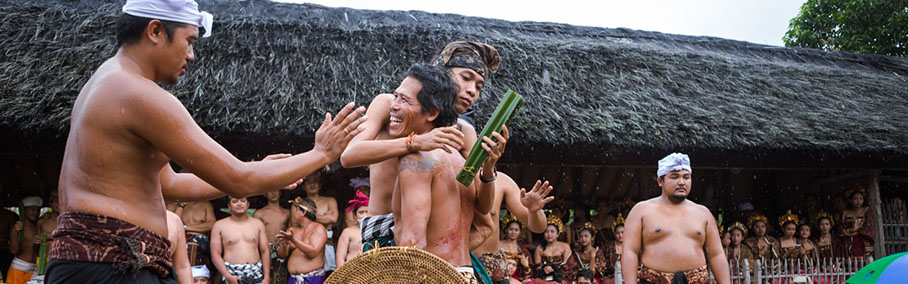
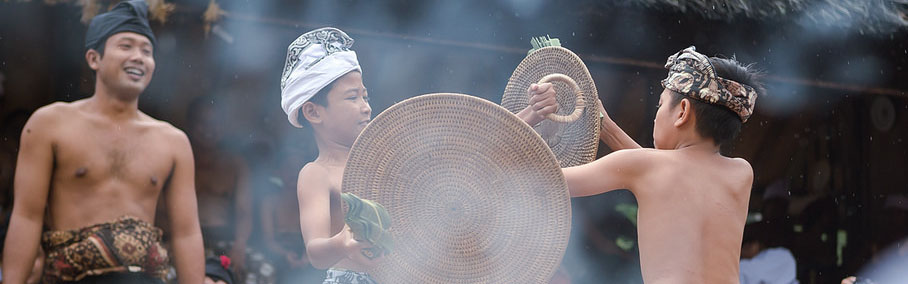
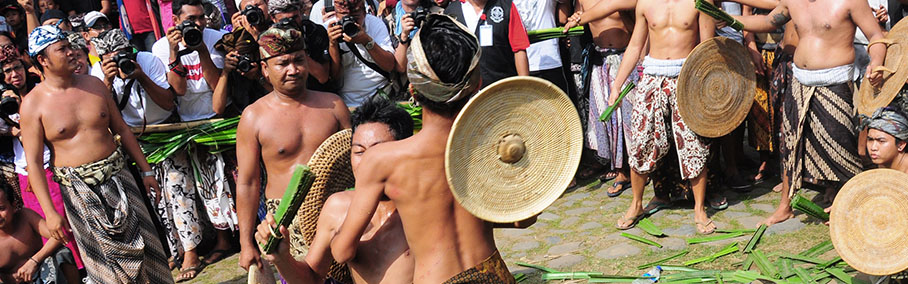
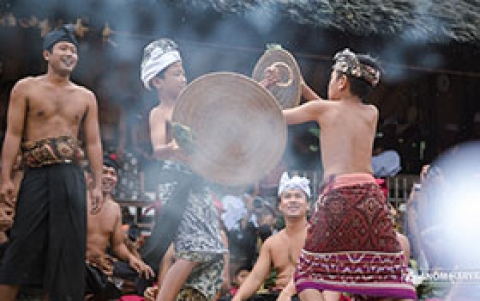
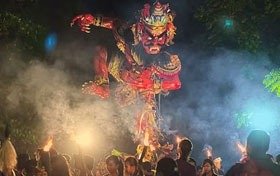
Every year, within a neat walled township in East Bali, an extraordinary theatrical fight takes place utilizing prickly pandanus leaf whips The setting is Tenganan Pegringsingan, a remarkable 700-year-old village, hidden in a valley four kilometers north of Candidasa and seemingly as old as the hills. Here, the residents practice a time-honored lifestyle based around ritual and ceremony, bound by strict ‘adat’ customary laws to maintain purity.
Tenganan is one of Bali’s original pre-Hindu settlements and a stronghold of native traditions. The villagers are the Bali Aga people, descendants of the original Balinese who resisted the rule of the post-Majapahit kings, fiercely safeguarding and maintaining their own culture through the conviction that they are descended from the gods.

- Details
- Hits: 6209
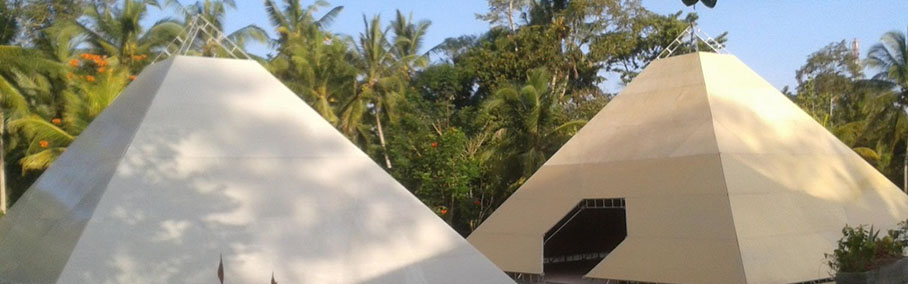
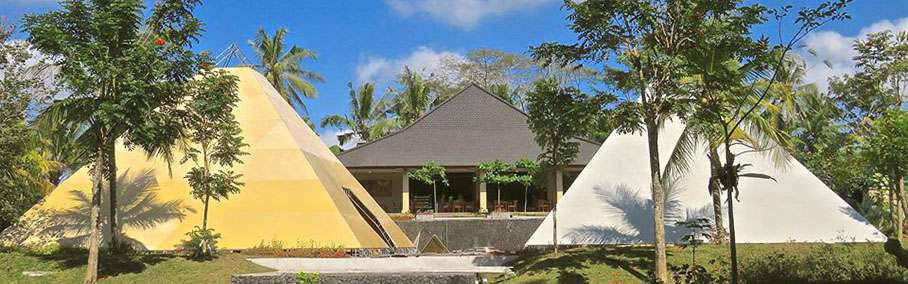
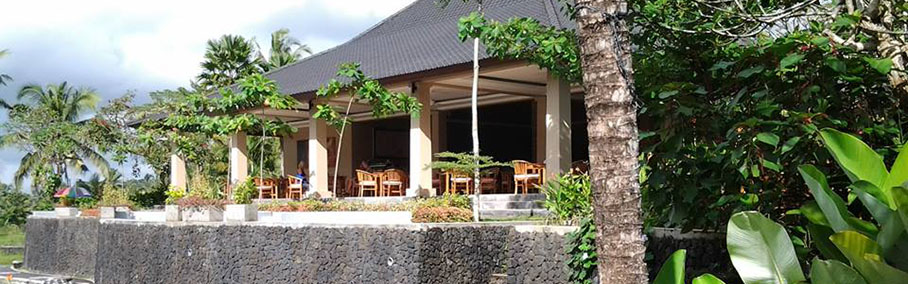
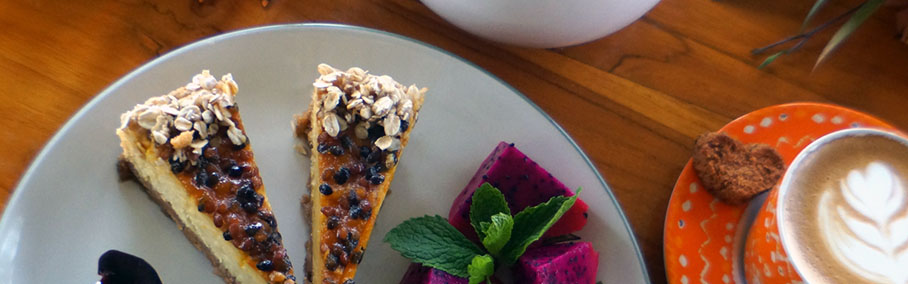
Of all the iconic, historical monuments that grace the planet, Egypt’s ancient Pyramids of Giza are the most fascinating. For many, especially some of the folk who gravitate to Ubud, these mysterious architectural objects, claimed to be the tombs of great pharaohs, have a special calling.
Could this be associated with an obscure past life experience?
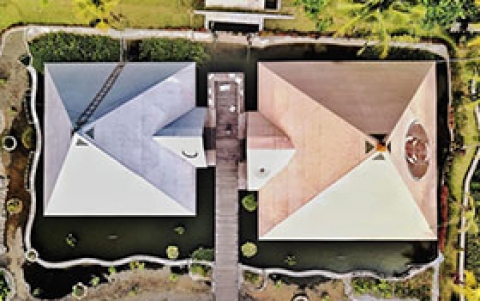
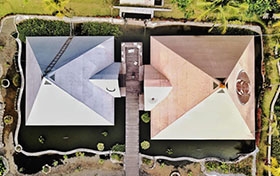
Now the modern landscape of Ubud has a unique and exciting, and maybe chance related new landmark. Located three kilometers north of central Ubud, up Jalan Suweta are the Pyramids of Chi. Set out upon four acres and nestled in the rice fields, the Pyramids of Chi complex features two structures built to the scale of the famous Giza Pyramids. Constructed with precision according to the ratios of sacred geometry, aligned to directional coordinates, the 1-16th, and 1-18th scale structures are situated over water, all to help generate a special energy.
- Details
- Hits: 6539
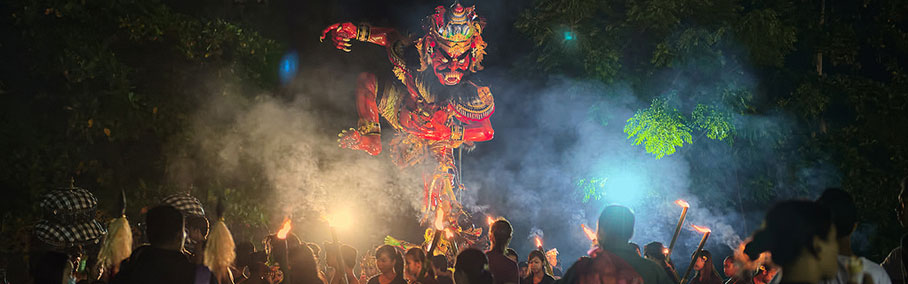
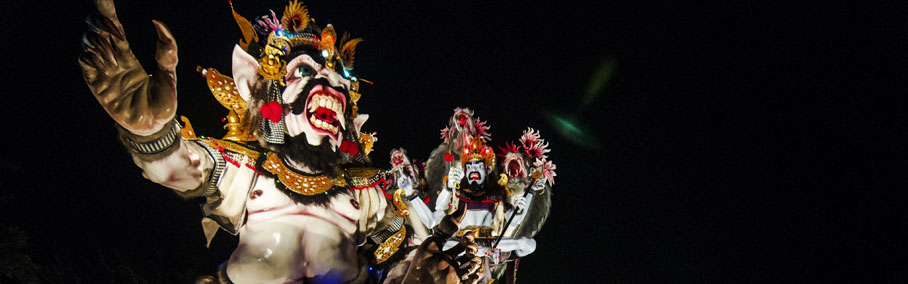
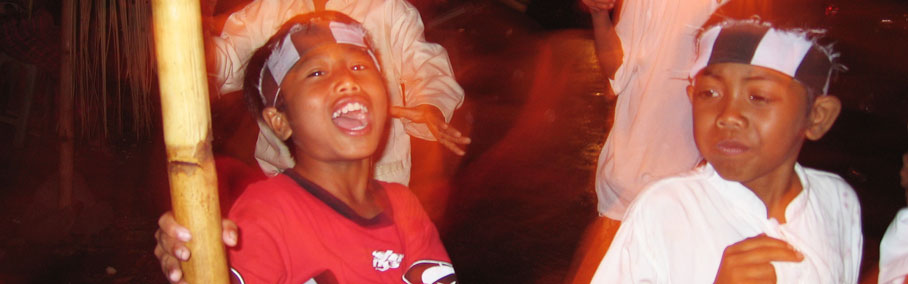
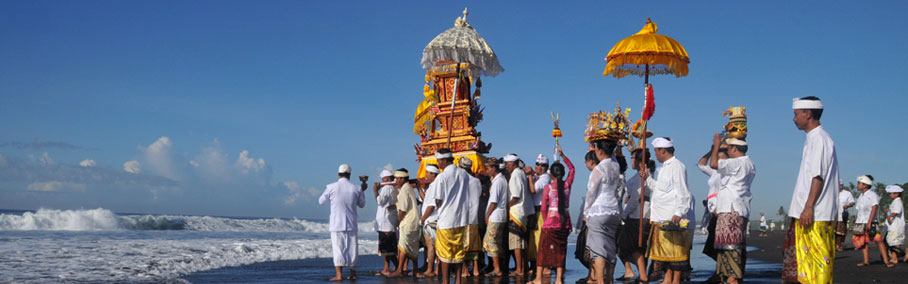
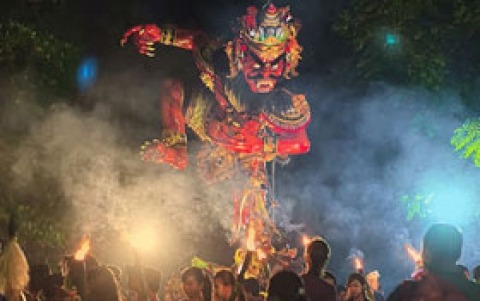
Bali is such a special place and there are many reasons why. Nyepi, or The Day of Silence, which falls on March 28th this year, is one of them. On this magical day, no planes fly, no transport operates, no people will be seen on the streets or beaches, except in the south, the pecalang or banjar guards, who patrol the streets ensuring naughty tourists stay in their hotels.
Bali’s usual flurry and bustle ceases. No neighbour’s loudspeaker system, or buzz of machinery on a building site, or the screeching of motorbikes will mar the silence. No women with baskets on their heads, or temple processions will be seen. The downside of course, is that no restaurants or convenience stores or entertainment will operate. It is the day to go within.
- Details
- Hits: 6611
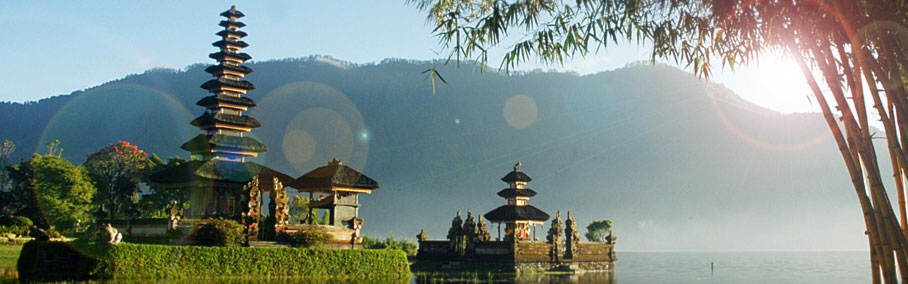
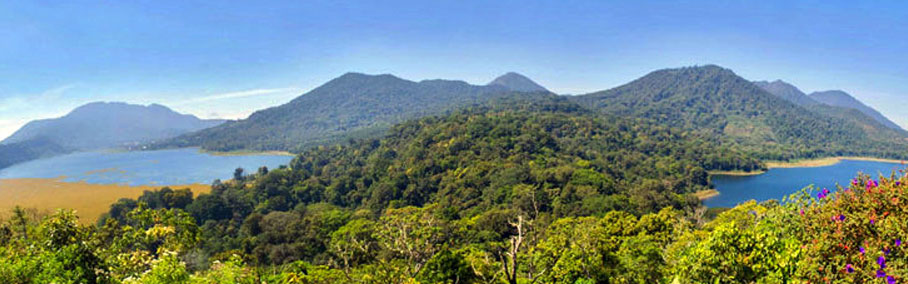
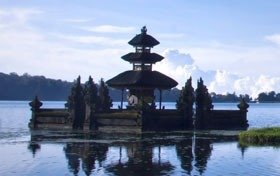
The Balinese people believe that their beautiful island is a gift from the gods and for this they give thanks, every day, with millions of o erings in the form of tiny woven palm frond trays, lined with banana leaf and containing a symbolic assortment of rice, ower petals and incense. The o erings are known as ‘canang’, and the ower most commonly used and cultivated speci cally for this purpose, is the blue hydrangea.
Hydrangeas, or ‘pacah seribu’, are grown mainly in the mountainous regions of Bali. A visit, therefore, to the fertile volcanic ridge near Bedugul will reveal boundless fields of the sapphire-tinged flowers stretching in infinitely towards the shimmering sea - a locally nurtured crop that fulfills the demand of a sacred industry. A visit to this lovely part of the island will also reafirm why the Balinese express their gratitude with so much pride...
Related Articles










travelstumble.com, Generating Awareness, Traffic Building, SEO for Business Clients, through online advertising, including e-campaigns on Facebook, Twitter and Instagram
Jl. Tangkuban Perahu III No. 4 Padangsambian, Denpasar
Bali - Indonesia
+628124634604
Company Info
Getting Started
We Accept

Connect with us


- You are here:
-
Home
- Blog